
Architectural Lighting
Bring structures
to life after dark
Facades, bridges, towers, monuments and sculptures, lit to show their form and texture at night. Designed for the structure and built for Kenyan weather.
What We Illuminate
Structures that deserve to be seen
Facades & Cladding
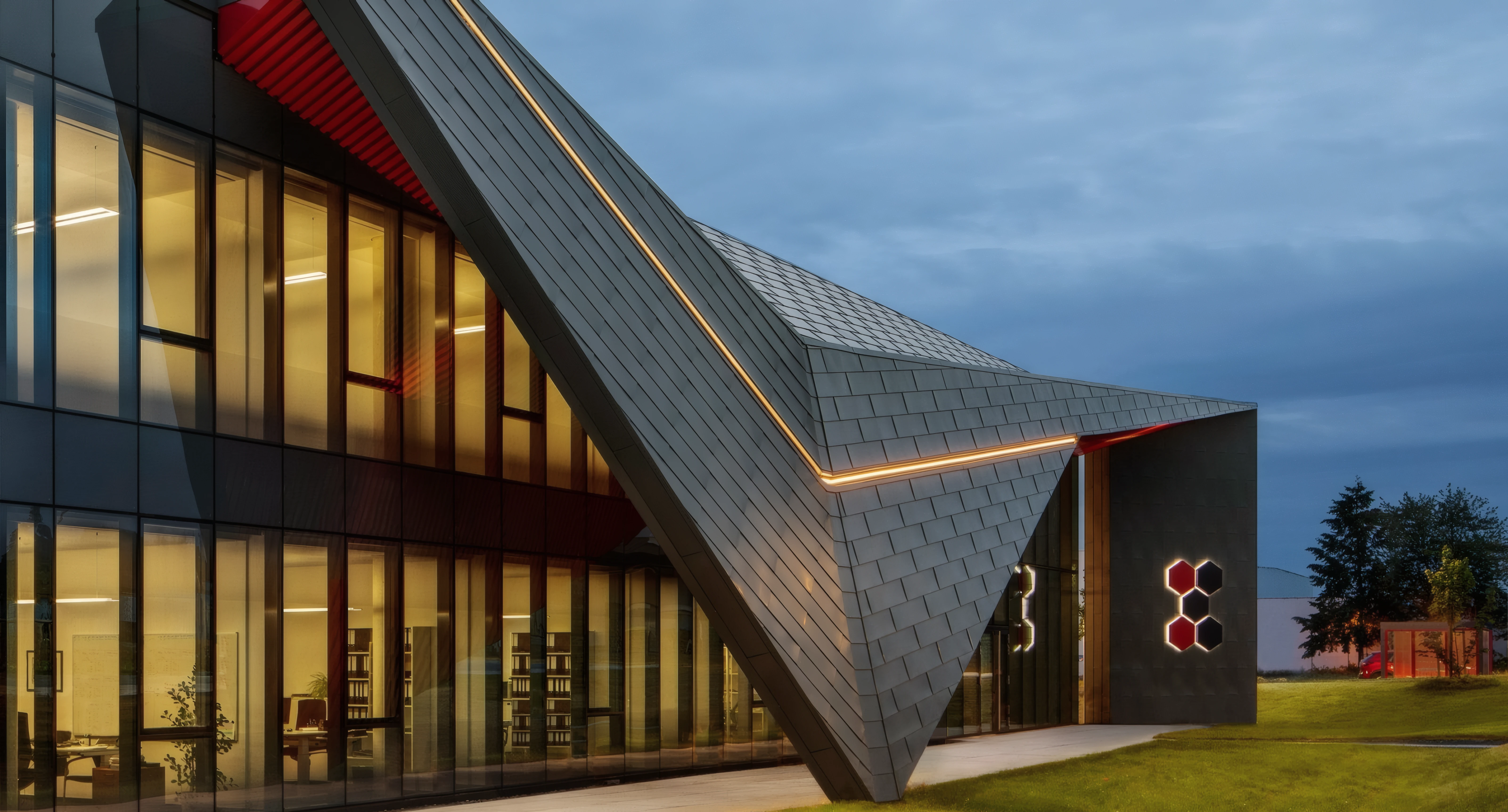
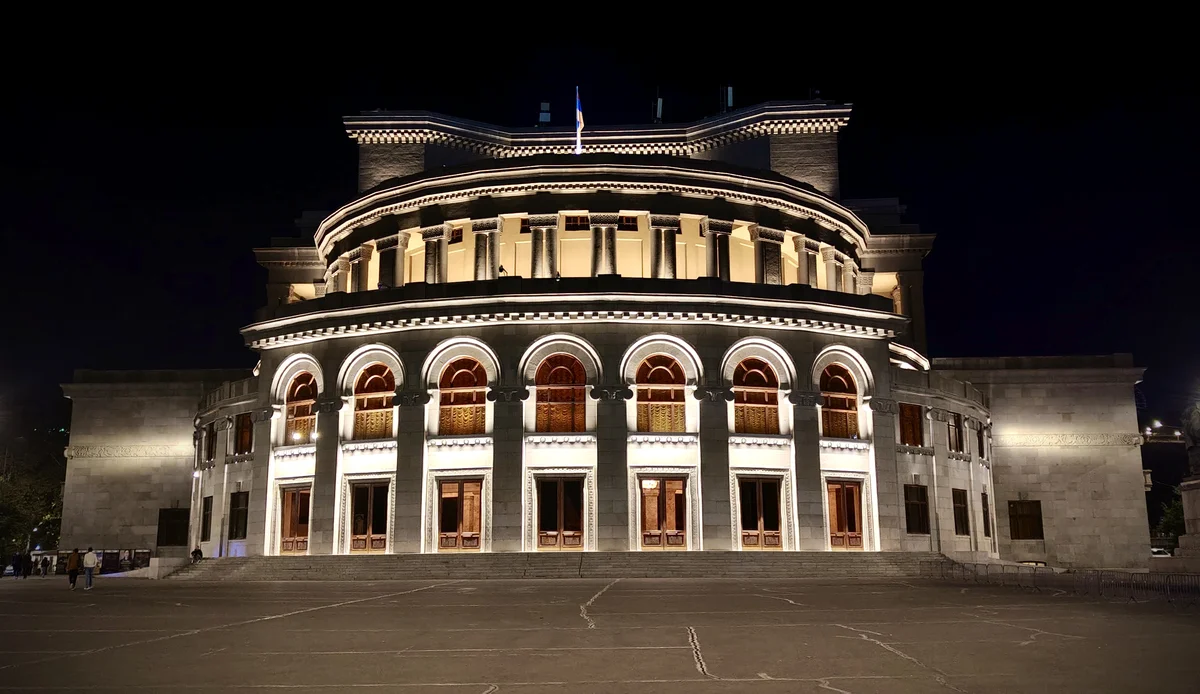
Wall washers flood a whole elevation evenly, grazing light pulls texture out of stone and brick, and window reveals pick out the rhythm of a building after dark.
Columns & Colonnades
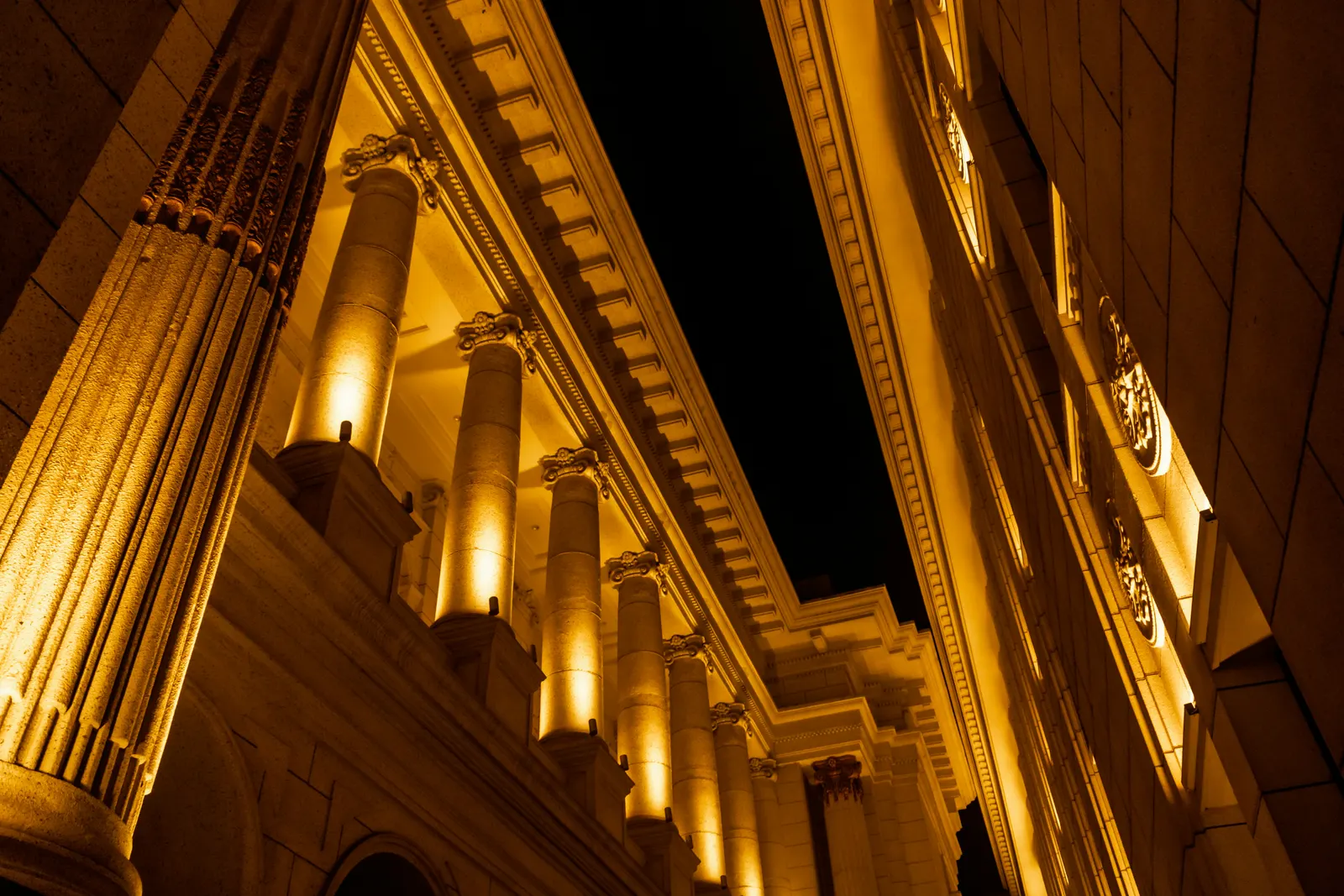
Narrow-beam uplights set at the base of each column draw a clean vertical line, turning a colonnade into a row of light that reads from across the street.
Landmarks & Bridges
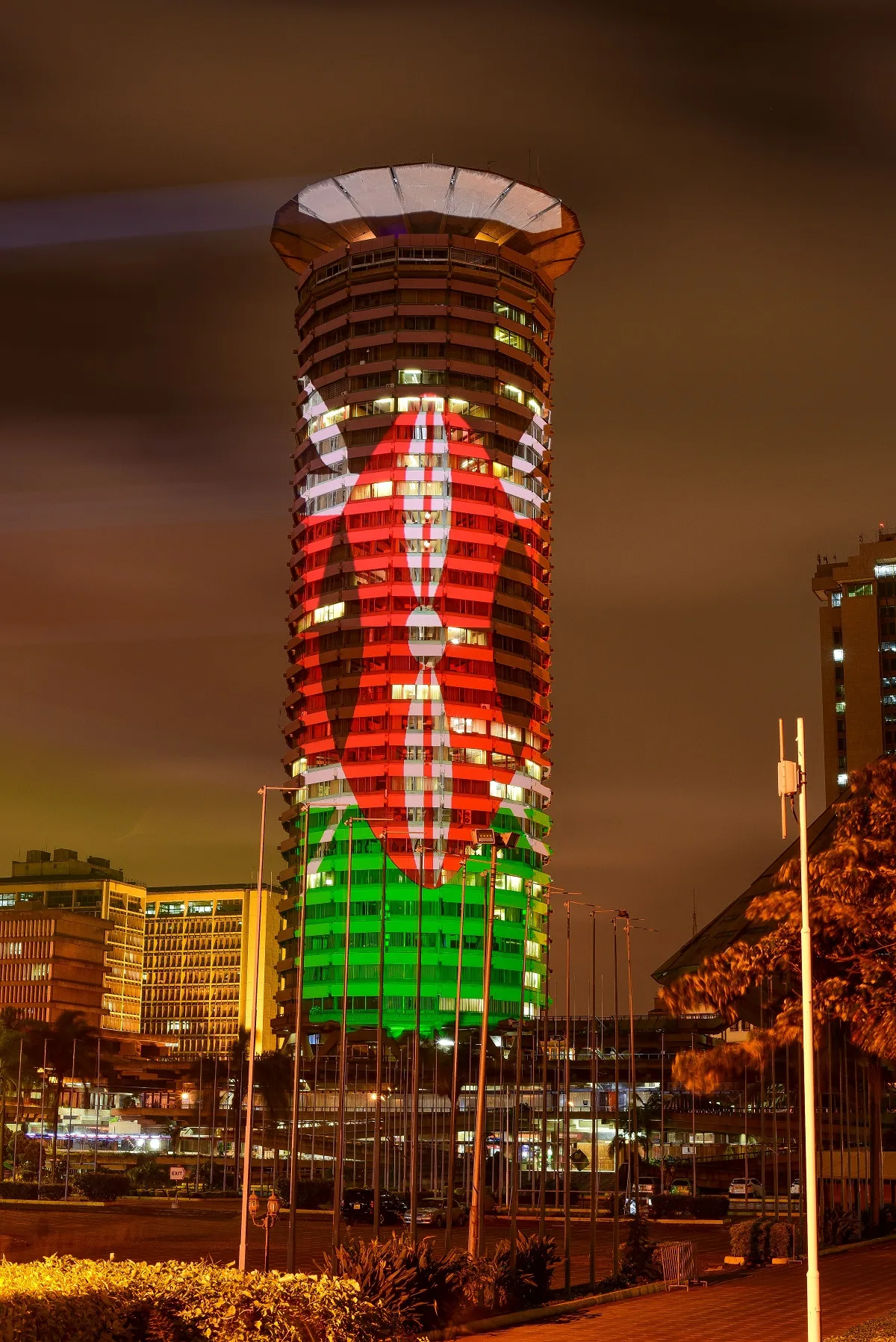
A city's landmarks carry its big moments: programmable facade lighting and projection can wash a tower like KICC in the national colours. On bridges, linear lights trace the deck and cables and uplights lift the piers.
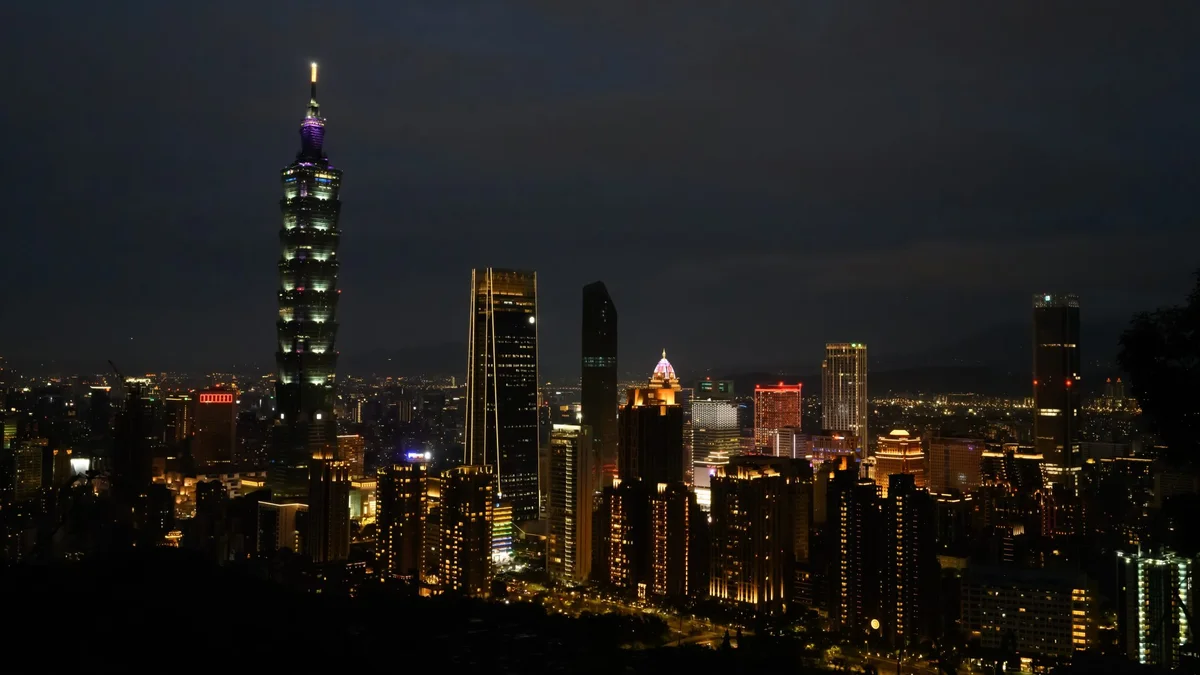
Towers & High-Rises
Crown lighting marks a tower on the skyline, and vertical washes or outline lighting make the building recognisable from a distance, often with programmable colour for events.
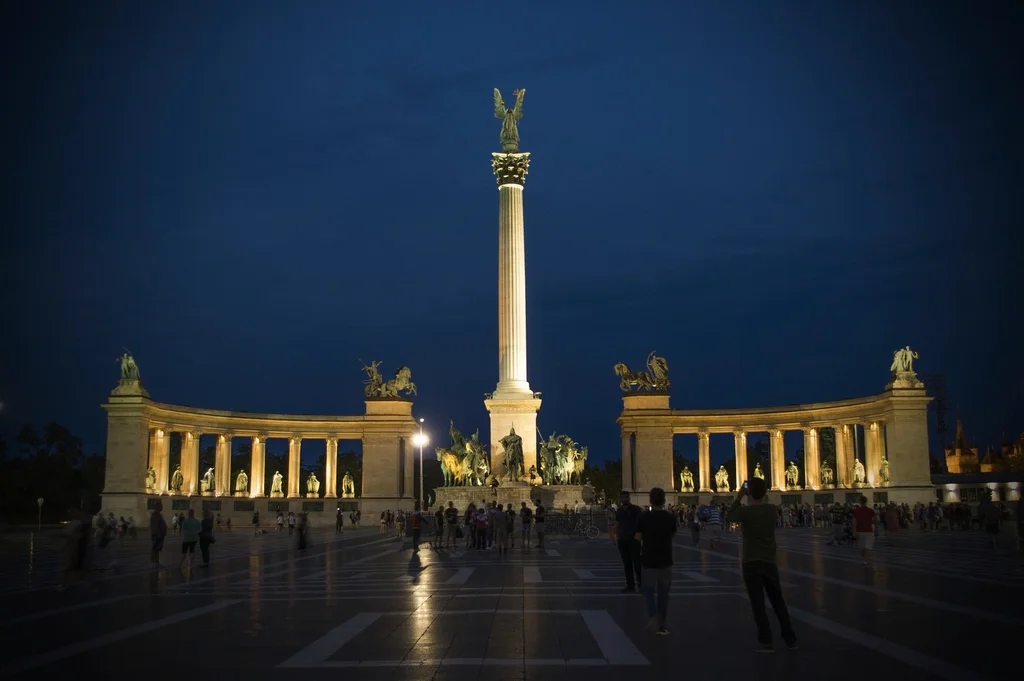
Monuments & Heritage
Soft, warm floodlighting shows the form and carving of a monument without flattening it, with fittings hidden from view so the structure is the only thing you see.
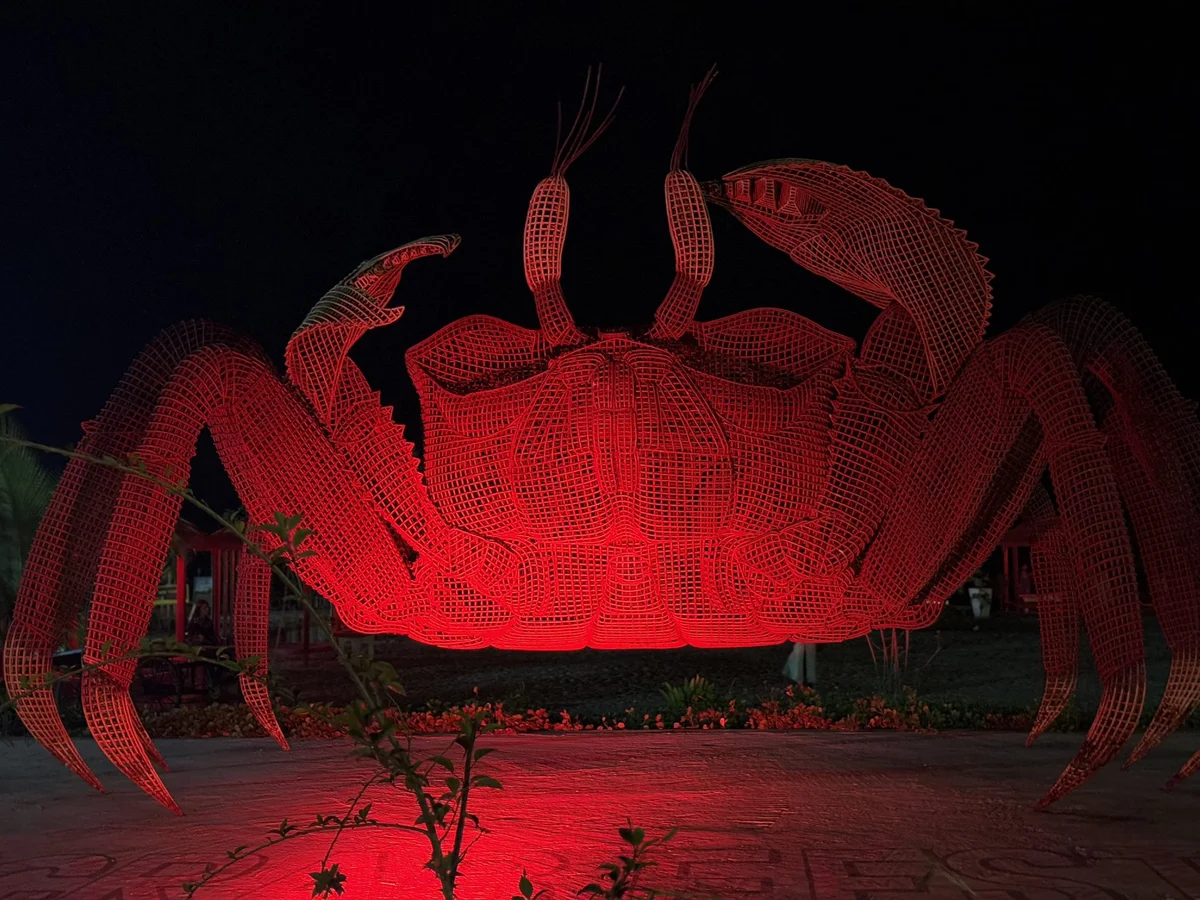
Sculptures & Public Art
Accent spots from two or more angles give a sculpture depth and shadow, and in-ground uplights keep the fittings out of sight in plazas and gardens.
Techniques
Six ways to light a structure
Most schemes combine two or three of these, chosen for the shape and material of the structure and where it is seen from.
Wall washing
Even light across a whole wall or elevation from linear floods set back from the surface.
Wall washers →Grazing
Light set close to the surface and aimed along it, so stone, brick and cladding show their texture.
Linear grazers →Uplighting & floodlighting
In-ground and spike uplights lift columns, trees and whole structures from below.
In-ground uplights →Outline lighting
Linear lights along edges, rooflines and cables trace the shape of a building or bridge.
Outdoor linear →Accent spotlighting
Narrow beams pick out a crest, a sculpture, a sign or a single architectural detail.
Spike & spot lights →Dynamic colour
RGB fittings on DMX control change colour for national days, events and brand moments.
Ask about DMX →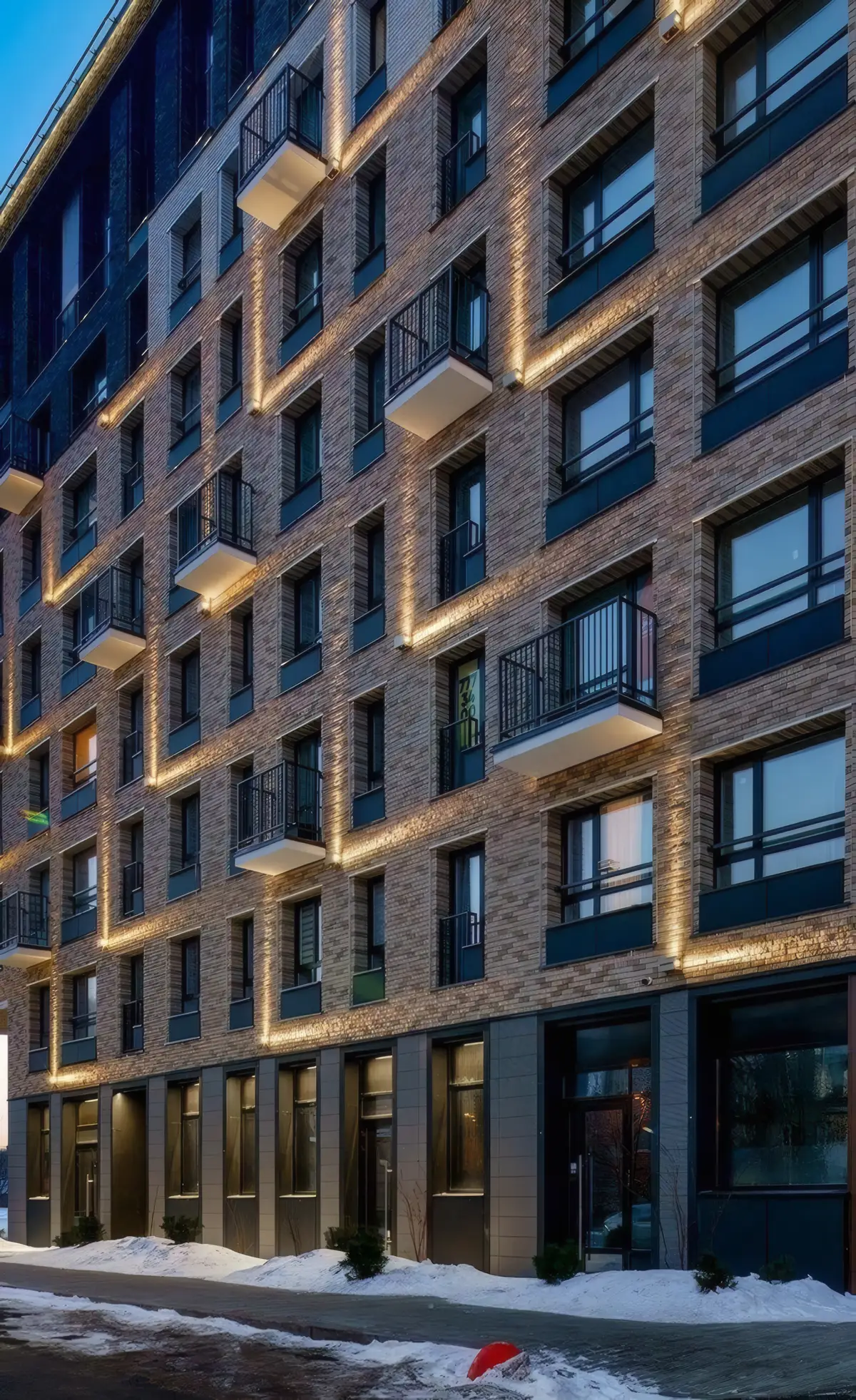
Design Considerations
What makes exterior lighting last
Built for the weather
Every exterior fitting is IP65 or better, IP67 where it sits in the ground or near water, with sealed connections for Kenyan rains and dust.
Light where it is meant
Beam angles and shields keep light on the structure, not in drivers’ eyes, neighbours’ windows or the night sky.
The right colour of light
Warm white brings out stone, brick and timber; cooler white suits glass, steel and concrete. We match it to the materials.
Control & running costs
Astronomical timers switch on at dusk and dim late at night, and LED fittings keep a lit facade affordable to run every evening.
For Architects, Developers & Contractors
How architectural projects work
Step 01
Survey at dusk
We look at the structure as it gets dark, with your elevations or drawings, and agree what should stand out.
Step 02
Concept & mock-up
A lighting concept with fitting positions and beam angles, and a trial of key fittings on site before you commit.
Step 03
Specification & quote
A full schedule of IP-rated fittings, drivers and controls, priced for the whole structure.
Step 04
Supply & support
Delivery to site, with the fitting schedule your electrical contractor needs to install it.
Start a Project
Light your building,
bridge or landmark
Send us photos or elevations of the structure and tell us how you want it seen at night. We will come back with a concept and a quote.